To acquire the knowledge of the economic importance of plants and animals. 2. To develop an understanding of the inter-relationship between sustainability and environmental adaptations. 3. To develop an understanding of the interdependence of plants and animals so as to enable pupils to acquire a clearer comprehension of the significance of life and its importance in human welfare. 4. To understand the capacities and limitations of all the biological and economic activities so as to be able to use them for a better quality of life. 5. To acquire the ability to observe, experiment, hypothesize, infer, handle equipment accurately and make correct recordings
A significant portion of the course focuses on biomolecules, including carbohydrates, proteins, lipids, and nucleic acids. Students understand their structure, function, and role in maintaining life processes. This leads to the study of metabolism, enzymes, and biochemical reactions that sustain life within cells.
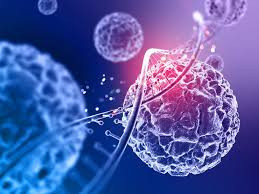
Genetics and heredity form a core part of the curriculum. Students learn about DNA structure, gene expression, and the principles of inheritance based on Mendelian genetics. Modern topics such as genetic engineering, biotechnology, and the Human Genome Project may also be introduced, helping students understand how genetic knowledge is applied in medicine, agriculture, and research.
The course also covers evolution, explaining how life on Earth has changed over time. Students study natural selection, adaptation, and speciation, gaining insight into the diversity of organisms and their evolutionary relationships. Classification and taxonomy are introduced to help organize and identify living organisms systematically.
Human biology and physiology are important components of the course. Students explore the structure and function of major body systems, including the digestive, respiratory, circulatory, nervous, and reproductive systems. The coordination between these systems and their role in maintaining homeostasis is emphasized.
Plant biology is also included, focusing on plant structure, physiology, and reproduction. Topics such as photosynthesis, transpiration, and plant growth regulators are discussed, highlighting the importance of plants in ecosystems and human life.
Ecology is another key area of study, where students learn about ecosystems, food chains, energy flow, and biogeochemical cycles. The course emphasizes the interdependence of organisms and the impact of human activities on the environment. Environmental conservation, biodiversity, and sustainable practices are discussed to raise awareness of global ecological challenges.
Practical laboratory work plays a vital role in this course. Students engage in experiments, dissections, microscope observations, and field studies to enhance their understanding of biological concepts. These activities develop skills in data collection, analysis, and scientific reporting.
The course also integrates real-world applications of biology, including health and medicine, agriculture, environmental management, and biotechnology. Students gain awareness of issues such as disease prevention, nutrition, public health, and the ethical implications of scientific advancements.
By the end of the course, students will have a strong foundation in biological sciences, critical thinking skills, and an understanding of the living world. This knowledge prepares them for further studies and careers in fields such as medicine, biotechnology, environmental science, agriculture, and research, while also fostering a sense of responsibility toward preserving life and the environment

0 Reviews
Corporate Training