Cell Structure and Function – Learn about the basic unit of life and how cells operate. Human and Plant Systems – Study important biological processes in plants and the human body. Genetics and Evolution – Understand inheritance, variation, and the principles of evolution. Ecology and Biodiversity – Explore ecosystems, environmental balance, and conservation. Practical Scientific Skills – Develop laboratory, observation, and data analysis skills through experiments.
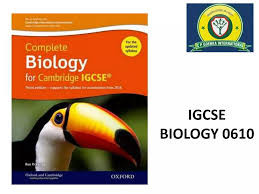
The course introduces students to the fundamental principles of biology and helps them develop a deeper understanding of the living world. It covers a wide range of topics that explain how living organisms function, grow, reproduce, and interact with their environment. Students begin by studying cell structure and organization, which forms the foundation for understanding more complex biological systems.
The course explores essential biological processes including nutrition, respiration, transport, excretion, and coordination in both plants and animals. Students also learn about reproduction, inheritance, and genetics, helping them understand how traits are passed from one generation to the next. In addition, the syllabus examines evolution, biodiversity, and the relationships between organisms within ecosystems.
Practical work is an important part of the course, allowing students to develop scientific investigation skills such as observation, experimentation, measurement, and data interpretation. These practical activities help learners apply theoretical knowledge to real-life biological situations.
The course also highlights the role of biology in everyday life, including topics related to health, disease, biotechnology, and environmental conservation. By the end of the course, students will have developed strong scientific knowledge and analytical skills, preparing them for further studies in biology, medicine, environmental science, biotechnology, and other life science-related fields.
0 Reviews
Corporate Training