**CBSE Carnatic Music – Percussion (Secondary)** **Key Points (5 Only):** 1. Strong foundation in **Tala system, Laya control, and rhythmic patterns**. 2. Practical training in **Sollukattus, Korvais, and basic improvisation techniques**. 3. Instrumental focus on Mridangam with exposure to Ghatam and Kanjira. 4. Understanding of **Nadai variations and rhythmic mathematics**. 5. Preparation for **solo performance, accompaniment skills, and CBSE examinations**.
**Course Description – CBSE Carnatic Music: Percussion (Secondary)**
The CBSE Carnatic Music – Percussion (Secondary) course provides systematic and practical training in the rhythmic framework of South Indian classical music. The curriculum is designed to build a strong foundation in tala systems, laya (tempo control), and structured rhythmic patterns. Students develop precision, coordination, and clarity through progressive lessons in basic exercises, sollukattus (spoken rhythmic syllables), and korvais (mathematical rhythmic conclusions).
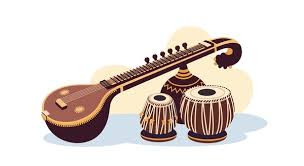
The primary focus is on hands-on training in the Mridangam, while also introducing students to related percussion instruments such as the Ghatam and Kanjira. Learners gain an understanding of nadai variations, tala classification, rhythmic calculations, and accompaniment techniques required for supporting vocal and instrumental performances.
In addition to practical training, the course covers theoretical concepts including tala structure, notation methods, performance etiquette, and the role of percussion in Carnatic concerts. Aligned with CBSE guidelines, this course prepares students for practical and theory examinations, solo presentations, and ensemble accompaniment, while nurturing discipline, concentration, creativity, and rhythmic excellence.

0 Reviews
Corporate Training