Fundamentals of Computer Systems – Understand how computers work, including hardware and software components. Programming Concepts – Learn basic programming logic, algorithms, and coding techniques. Data Representation – Study how data is stored, processed, and represented in computer systems. Networking and Internet Technologies – Explore how computers communicate through networks and the internet. Problem-Solving with Technology – Develop computational thinking and logical skills to solve real-world problems using computers.
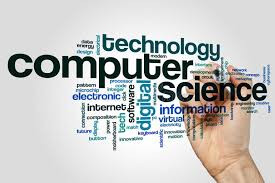
The Computer Science course introduces students to the fundamental principles of computing and the technologies that power modern digital systems. It focuses on developing computational thinking, logical reasoning, and problem-solving skills that are essential in the field of computer science. The course helps students understand how computers process information and how software and hardware work together to perform tasks.
The syllabus covers key topics such as computer systems, data representation, algorithms, and programming. Students learn how data is stored and processed in binary form and how algorithms are designed to solve problems efficiently. The course also introduces programming concepts, enabling learners to write simple programs and understand how coding is used to create software applications.
In addition, students explore computer networks, internet technologies, cybersecurity, and the social and ethical impacts of computing. They learn how computers communicate with each other, how data is transmitted across networks, and the importance of protecting digital information.
By the end of the course, students will have developed a strong foundation in computer science concepts and practical problem-solving skills. This course prepares learners for further studies in computer science, information technology, software engineering, data science, and other technology-related fields.
0 Reviews
Corporate Training