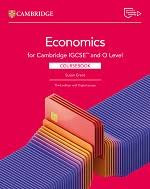
Economic Principles – Understand the basic concepts of supply, demand, production, consumption, and pricing. Microeconomics & Macroeconomics – Study individual markets, consumer and firm behavior, national income, and overall economic performance. Government and Policy – Learn the role of government in regulating the economy, fiscal and monetary policies, and economic planning. International Trade & Development – Explore global trade, economic development, and the impact of globalization on societies. Data Analysis & Critical Thinking – Develop skills to interpret economic data, evaluate policies, and analyze real-world economic issues.
course provides students with a structured understanding of how economies function, both at the individual (micro) and national/global (macro) levels. It introduces fundamental economic concepts such as supply, demand, production, consumption, and pricing, and explores how these influence everyday decision-making for individuals, businesses, and governments.
The course covers microeconomics, focusing on consumer behavior, firm production, market structures, and the determination of prices, as well as macroeconomics, examining national income, economic growth, inflation, unemployment, and fiscal and monetary policies. Students also study international trade, globalization, and development economics, learning how countries interact economically and how development policies affect societies.
A key feature of the course is the development of analytical and evaluative skills, enabling students to interpret economic data, assess policies, and understand the real-world implications of economic decisions. Through case studies and practical examples, learners gain insight into the challenges and opportunities within local, national, and global economies, preparing them for further study or careers in economics, finance, and related fields.

0 Reviews
Corporate Training