Physical Geography – Study natural features such as landforms, rivers, climate, weather, and ecosystems. Human Geography – Explore population, settlements, economic activities, and urban development. Environmental Interaction – Understand the relationship between human activities and the natural environment. Geographical Skills – Develop map reading, data interpretation, and fieldwork investigation skills. Sustainability and Global Issues – Learn about environmental challenges, resource management, and sustainable development
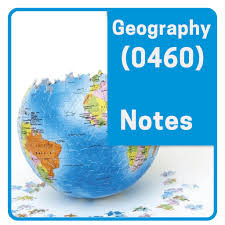
course helps students understand the physical and human features of the Earth and the interactions between people and the environment. It introduces learners to the processes that shape natural landscapes, including rivers, coasts, weather, climate, ecosystems, and landforms. Students explore how these natural systems function and how they influence life on Earth.
The course also focuses on human geography, examining topics such as population distribution, migration, settlement patterns, economic activities, and urbanization. Students learn how human actions affect the environment and how societies depend on natural resources for development and survival.
An important aspect of the course is the development of geographical skills, including map reading, interpreting graphs and charts, analyzing geographical data, and conducting fieldwork investigations. These skills enable students to observe, analyze, and understand geographical patterns and processes.
Through case studies and real-world examples, students gain insight into global issues such as environmental change, resource management, natural hazards, and sustainable development. The course encourages critical thinking and environmental awareness while preparing learners for further study in geography, environmental science, and related fields

0 Reviews
Corporate Training