1. To appreciate the language as an effective means of communication. 2. To acquire knowledge of the elements of the language. 3. To develop an interest in the language. 4. To understand the language when spoken at normal conversational speed. 5. To understand the basic structural patterns of the language, vocabulary and constructions.
Cultural understanding is a key component of the course. Language learning is closely linked to the culture in which it is used, and students explore cultural practices, traditions, festivals, and social norms associated with the language. This helps learners develop respect for diversity and a broader global perspective, making them more adaptable and culturally sensitive individuals.
The course also integrates listening comprehension exercises using audio-visual materials such as recordings, conversations, and short videos. These activities improve students’ ability to understand different accents, tones, and contexts. Speaking skills are further enhanced through presentations, group discussions, and conversational practice, allowing students to build fluency and confidence.
Assessment in the Second Languages course is designed to evaluate all aspects of language learning. It includes written tests, oral examinations, listening assessments, and project work. Continuous assessment methods ensure that students receive regular feedback and opportunities to improve their performance.
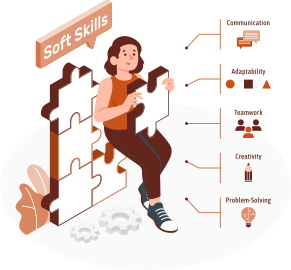
In addition to academic benefits, learning a second language supports cognitive development by improving memory, concentration, and problem-solving skills. It also enhances creativity and the ability to think from different perspectives. These skills are valuable not only in education but also in personal and professional life.
The course prepares students for higher-level language studies and encourages lifelong learning. It also opens doors to global opportunities in fields such as international business, tourism, translation, diplomacy, and education. By the end of the course, students will have developed the confidence to communicate in a second language, understand cultural contexts, and engage meaningfully in a multilingual world.
Overall, the Second Languages course plays a crucial role in shaping well-rounded individuals who are capable of connecting with people from different linguistic and cultural backgrounds, thereby contributing to a more inclusive and globally aware society.

0 Reviews
Corporate Training